
Chapter One: MANORA 1958
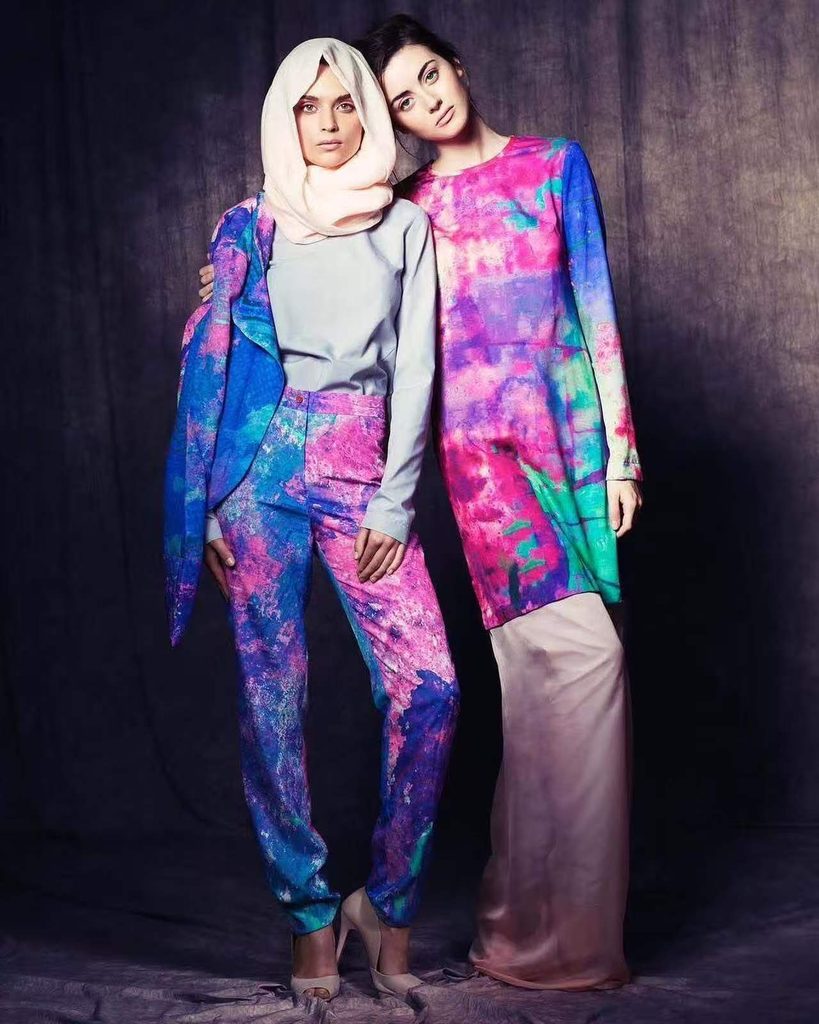
For BARJIS / BARJIS LONDON’s new VOYAGES collection, fashion is not merely fabric and silhouette. It is a vessel, carrying a private family memory out into the world. Chapter One: MANORA 1958 marks the starting point of a story that crosses oceans, decades and continents—one that begins on the shores of Karachi.
In 1958, at eighteen years old, my father arrived at Manora to begin his four-year apprenticeship as a marine engineer. Manora, the small island guarding Karachi Harbour, was where his professional life first took shape. Within the rhythm of the port, the hum of engine rooms, the language of compasses, charts and naval routine, he learned a craft that would send him across the world’s oceans. Years later, in 1965, that same journey would bring him to London. VOYAGES is the way I have chosen to trace that path backwards: to return his story to Karachi, and to translate a lifetime of migration, memory and belonging into clothing.
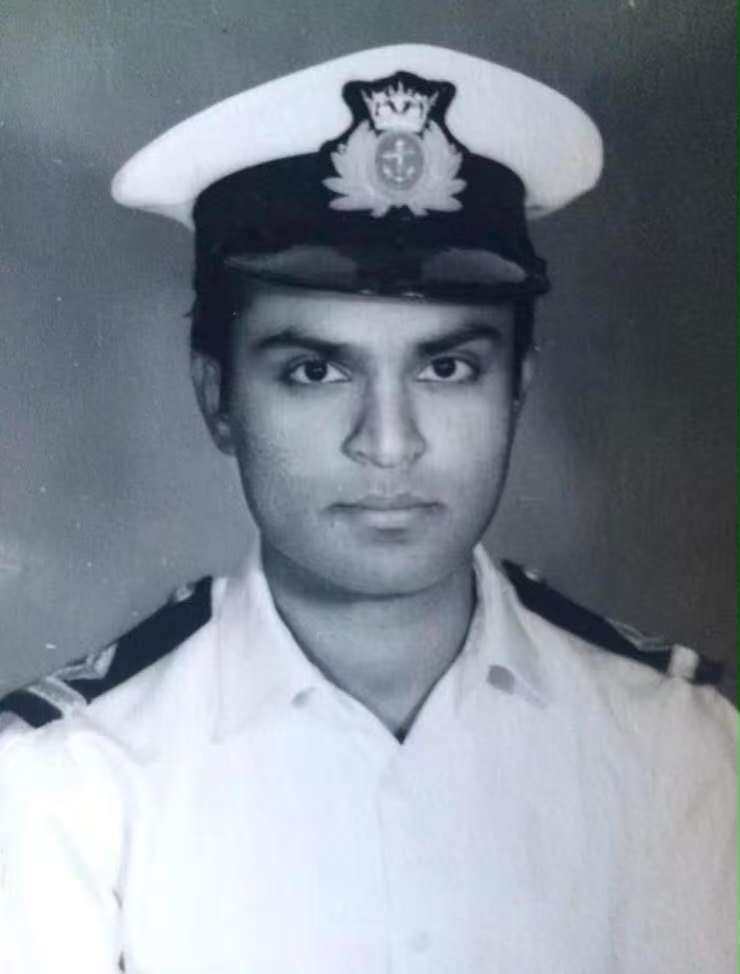
It would be easy to read maritime inspiration and reach for obvious, theatrical references — striped sailor shirts, uniform costumes, overt nautical motifs. That was never the intention of MANORA 1958. Instead, the collection works in whispers. It absorbs the quiet language of ships and ports: navigation tools, the structure of service uniforms, the practical geometry of travel, the weight of long sea journeys. These details are folded into contemporary luxury tailoring, softened and reimagined, so that their origin lingers beneath the surface rather than declaring itself outright.
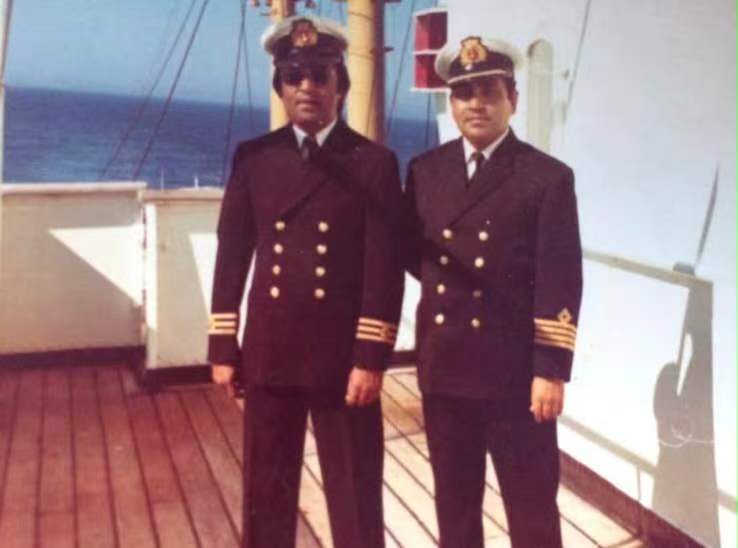
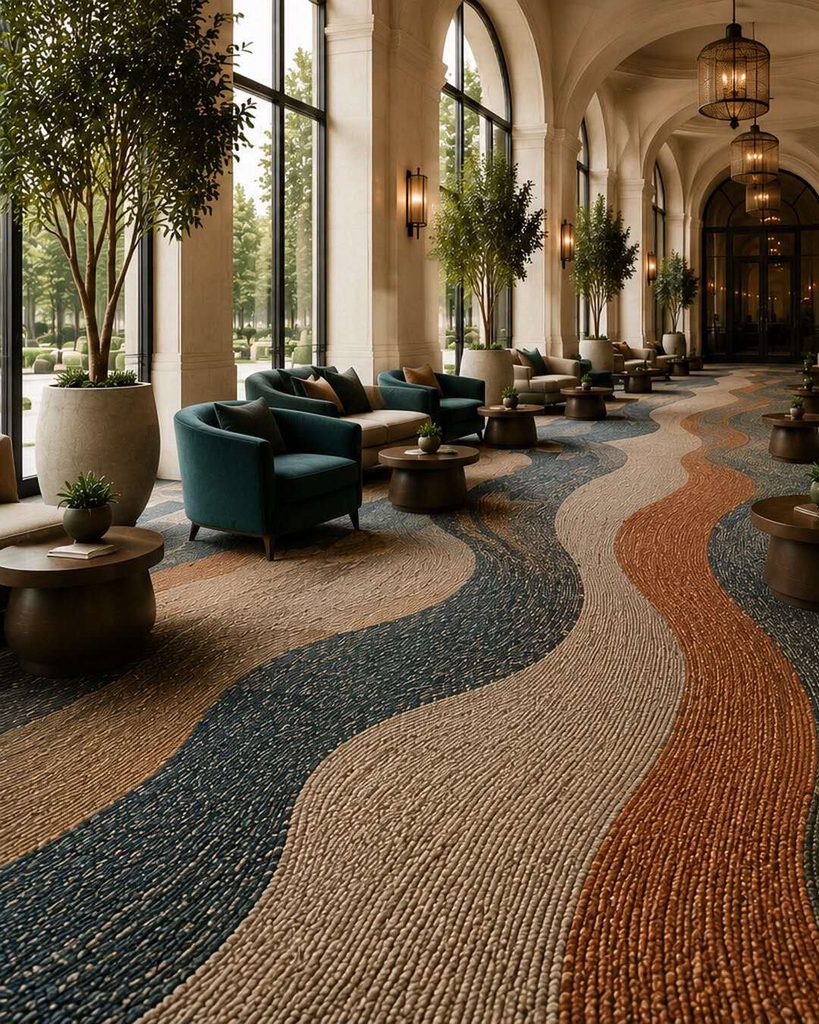
British tailoring sits at the heart of this chapter, a deliberate thread linking the two anchor points of the story. It nods ahead to the London chapter yet to come, the city where my father would eventually land, and where BARJIS now exists as a multidisciplinary design house. The house has always moved fluidly between fashion, textiles, carpets, interiors and immersive experiences, bound together not by one medium, but by shared preoccupations: storytelling, material craft, identity and the quiet search for belonging. VOYAGES extends that core ethos. This is not a standalone fashion drop. It is a narrative project, made tangible through garments.
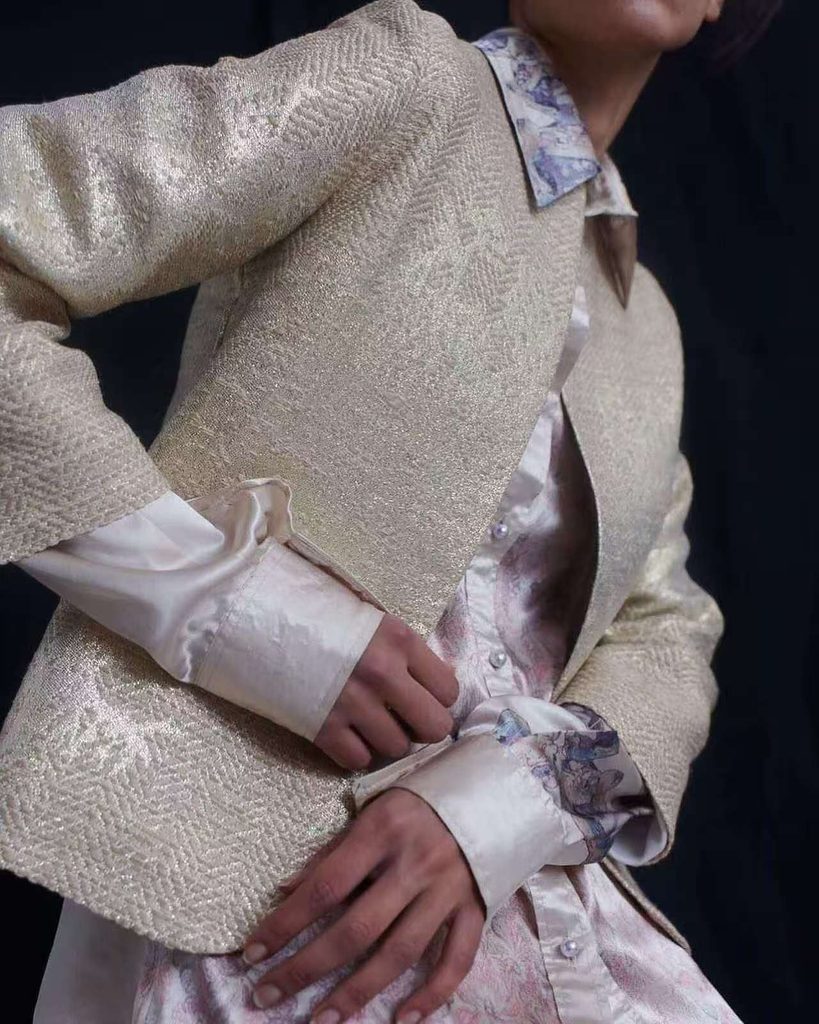
The design language of MANORA 1958 balances dual worlds. Clean British tailoring frameworks meet the texture and context of Karachi and South Asian identity. Luxury fabrics carry unexpected, subtle details pulled from maritime life. Silhouettes feel current, rooted in the present, while the references remain restrained, understated. A wearer might sense the shadow of a ship’s uniform, the logic of a navigation chart, the precision of an engineer’s workspace — without the clothing ever becoming costume. That restraint is essential: memory rarely announces itself loudly. It reveals itself in texture, in proportion, in small, loaded details.
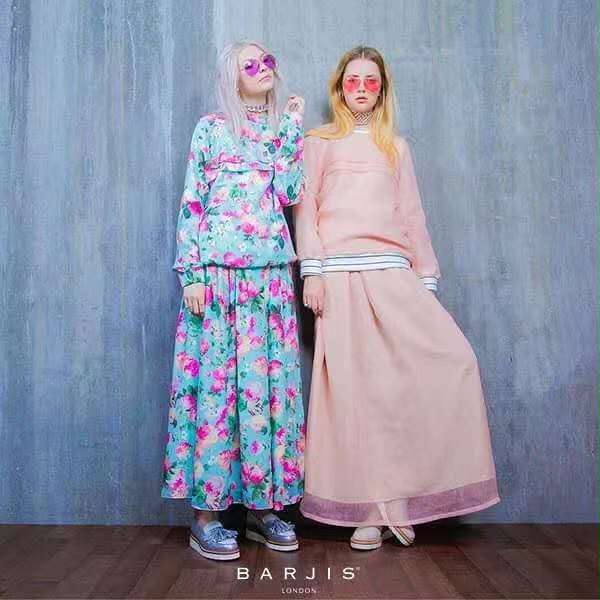
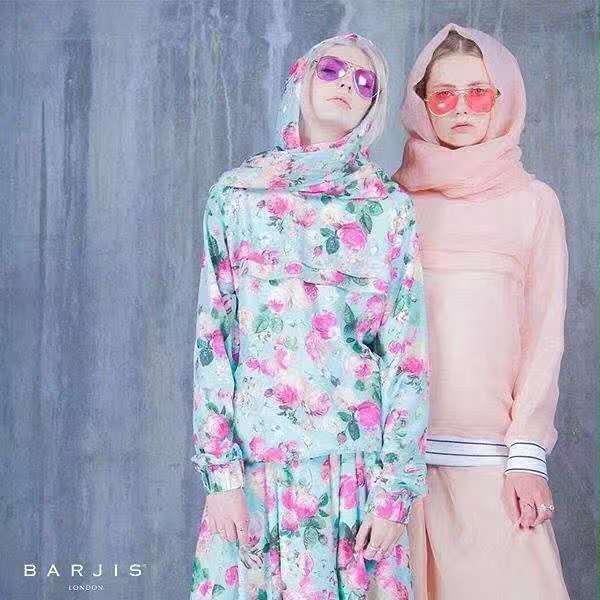
VOYAGES as a whole is about far more than the romance of the sea. It is about migration: the way one person’s departure ripples forward, reshaping the lives that follow. It is about how identity is not fixed to a single place, but assembled across journeys, between ports, between Karachi and London, between the past and the present. By shooting and presenting this opening chapter in Karachi, we complete a quiet circularity. The story that left this harbour returns here, reborn as fashion.
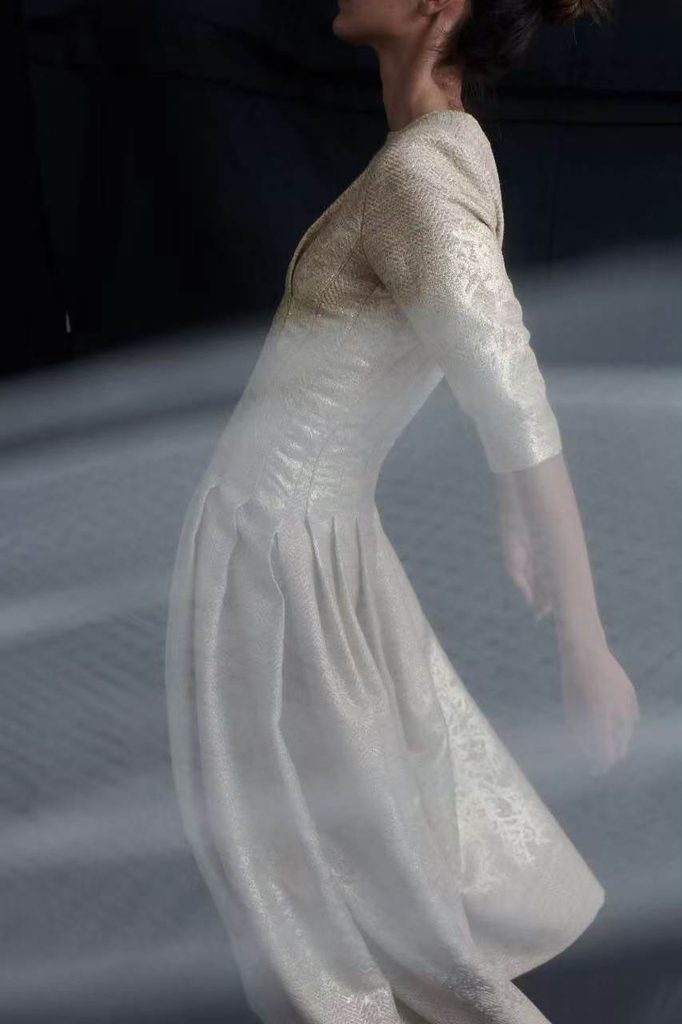
For me, this collection is an experiment in translation: how can a designer take something intimate — a father’s youth, an island, a fading memory of a port in 1958 — and turn it into something other people can inhabit? Garments become vessels for shared feeling: the uncertainty of setting out, the discipline of learning a trade, the longing and distance that define migration, the fragile sense of belonging built while constantly moving.
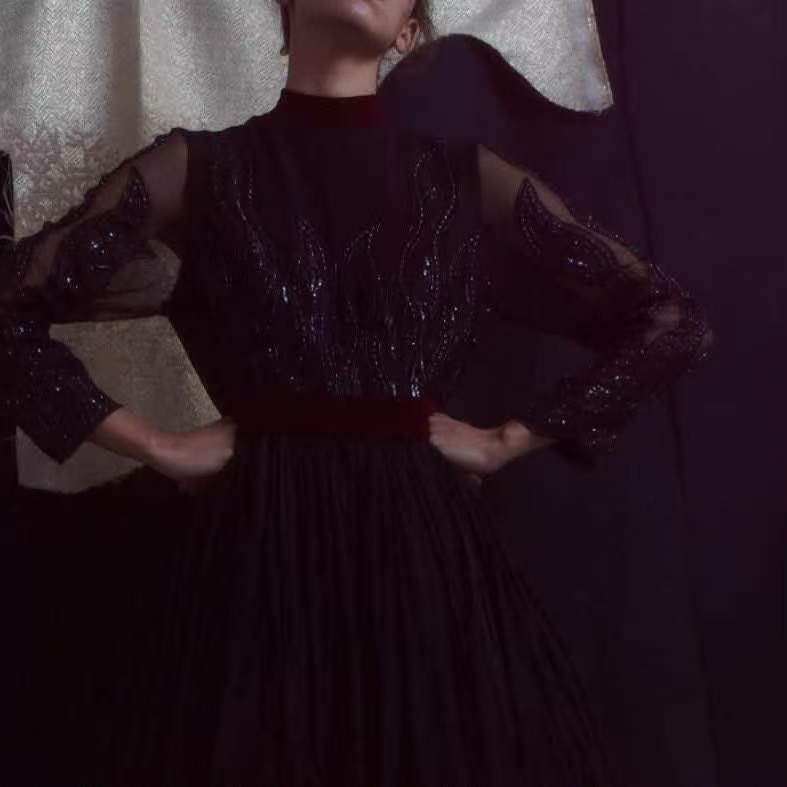
MANORA 1958 is only the first stop on VOYAGES. Ahead lie further chapters, tracing the route my father took across oceans, toward London and the life he built there. But this chapter holds the origin: the moment before departure, when a young apprentice stepped onto Manora, and a lifelong voyage began.
Some journeys are mapped in ink on nautical charts. Others are stitched into cloth.